
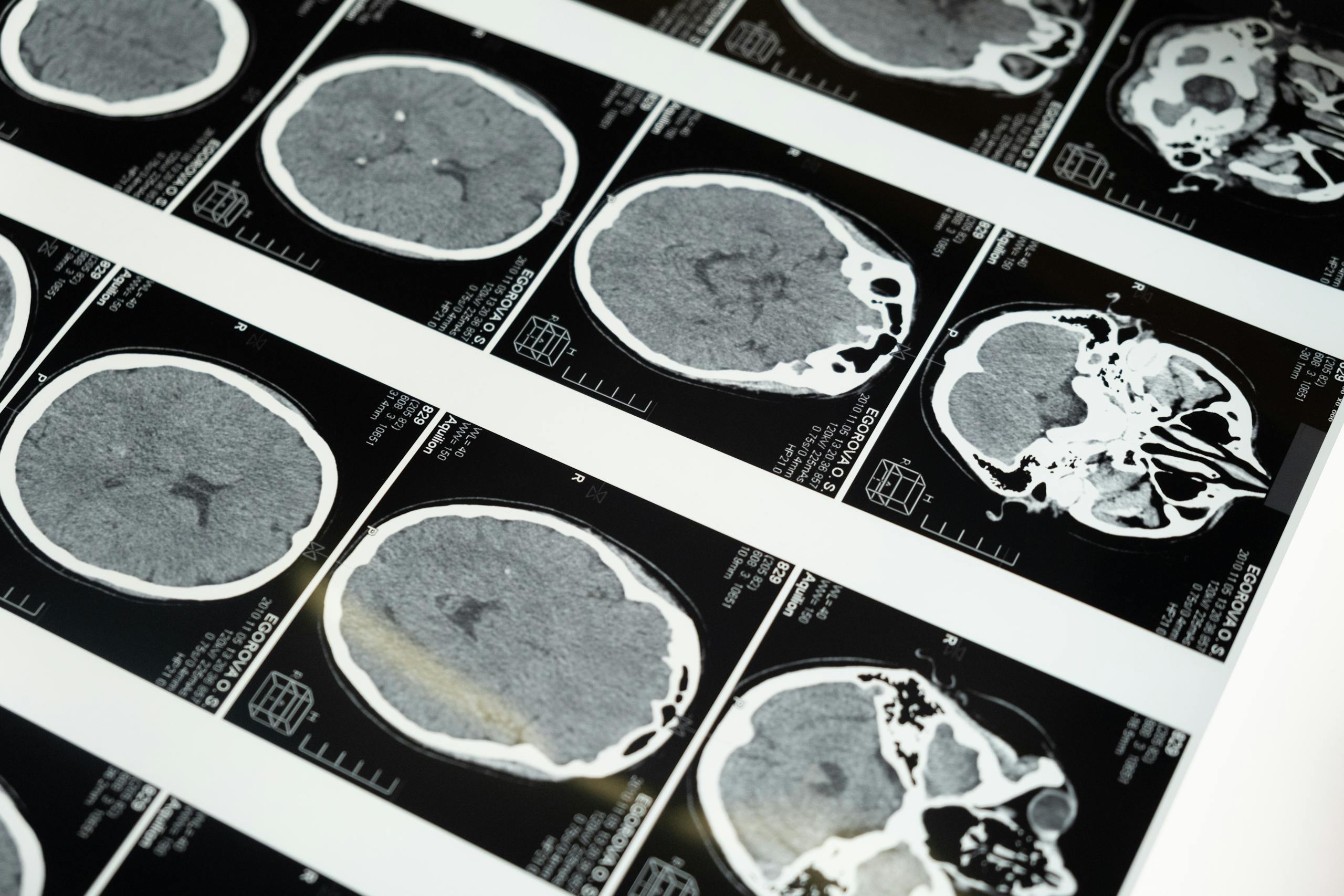
Mental Illness Is More Than A Diagnosis
It’s easy to get caught up in debates about diagnoses, labels, and whether mental illness is “real enough” or “biological enough.”
That conversation can be interesting — but it’s not always helpful when someone is struggling and looking for care.
What matters far more is this: real people suffer in real ways, and they deserve thoughtful, individualised help.
Two people can share the same diagnosis and yet have very different life stories, stresses, strengths, and needs. Despite what social media sometimes suggests, mental illness rarely has a single cause — and there is no one-size-fits-all treatment.
Understanding this can protect you from oversimplified explanations and from being sold treatments you may not need.
How doctors think about illness
When doctors assess any illness — including mental illness — we usually think about these things:
- What makes someone vulnerable to developing the illness
- What triggered the problem
- What keeps it going
- What helps protect or heal them
In psychiatry, this is often called an aetiological formulation. It helps us understand the person, not just the diagnosis.
The many layers that affect mental health
Mental health is shaped by several interacting layers:
- Biological factors
Brain networks, genetics, hormones, sleep, physical illness, medication effects. - Psychological factors
Coping styles, trauma, self-criticism, emotional regulation, attachment patterns. - Social factors
Relationships, work stress, finances, caregiving roles, isolation or support. - Life and meaning factors
Purpose, values, faith, moral conflict, or loss of meaning.
These layers influence one another. For example, prolonged stress or trauma can affect sleep and hormones, which then affect mood, concentration, and hope. No single layer tells the whole story.
What this means for treatment
Good psychiatric care looks beyond symptoms alone, and avoids reducing mental illness to a single root cause. Treatment may include medication, therapy, practical problem-solving, lifestyle support, family involvement, and attention to meaning and values — tailored to the individual.
The goal is not just symptom reduction, but recovery, functioning, and dignity.
If you’re struggling
If you’re unsure what’s happening or feel overwhelmed, you don’t need to figure this out alone. A careful assessment can help make sense of the full picture and guide appropriate care. Consider discussing your concerns with your primary care practitioner, or, if available, a psychologist or psychiatrist.
For support in South Africa, you can also contact SADAG (South African Depression and Anxiety Group) on
📞 0800 21 22 23 or visit www.sadag.org for counselling and referral resources.