Skip to content
Instagram Linkedin
Dr Justine Dreyer
  • Home
  • Practice
  • Shop
  • Disclaimers and Disclosures
Dr Justine Dreyer
Instagram Linkedin
  • A black and white image of a man crossing a city street, reflecting how life can feel empty and colorless for someone experiencing anhedonia.
    Psychiatry

    When Nothing Feels Enjoyable Anymore: Understanding Anhedonia

    ByJustine Dreyer April 13, 2026March 30, 2026

    Most of us can recognise what it feels like to enjoy something—whether it’s time with loved ones, music, food, or a sense of achievement. But for some people, that sense of enjoyment quietly fades. Things that once felt meaningful or pleasurable may start to feel flat, distant, or simply “not worth it.” This experience is called anhedonia.

    Read More When Nothing Feels Enjoyable Anymore: Understanding AnhedoniaContinue

  • Captivating view of an endless road leading through the rugged Karoo desert in Western Cape, South Africa.
    Psychiatry

    What Does a Psychiatrist Actually Do — and When Might It Help?

    ByJustine Dreyer April 6, 2026March 30, 2026

    Many people are unsure what to expect when considering an appointment with a psychiatrist. Questions about what happens in a consultation, whether medication will be recommended, or how psychiatry differs from other forms of support can make it difficult to take the next step.

    Read More What Does a Psychiatrist Actually Do — and When Might It Help?Continue

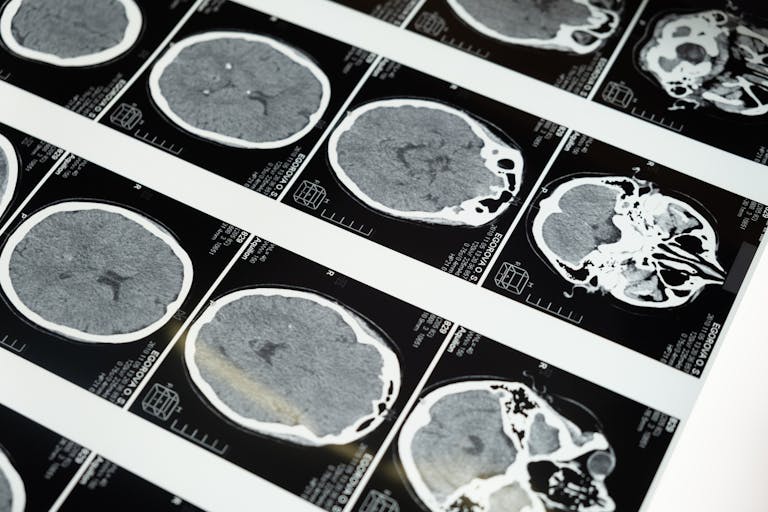
  • Detailed brain MRI scans displayed on a lightbox, showcasing medical imaging techniques.
    Psychiatry

    Mental Illness Is More Than A Diagnosis

    ByJustine Dreyer March 30, 2026February 13, 2026

    It’s easy to get caught up in debates about diagnoses, labels, and whether mental illness is “real enough” or “biological enough.”
    That conversation can be interesting — but it’s not always helpful when someone is struggling and looking for care.

    Read More Mental Illness Is More Than A DiagnosisContinue

  • A person receiving rTMS treatment
    Psychiatry

    Repetitive Transcranial Magnetic Stimulation (rTMS): A Treatment Option For Depression You Should Know About

    ByJustine Dreyer March 23, 2026February 13, 2026

    Repetitive transcranial magnetic stimulation (rTMS) offers a way of working directly with brain networks involved in mood, emotional regulation, and cognitive control — alongside medication and psychotherapy, not in competition with them.

    Read More Repetitive Transcranial Magnetic Stimulation (rTMS): A Treatment Option For Depression You Should Know AboutContinue

  • Close-up of hands exchanging pills in a clinical environment.
    Medical illness | Psychiatry

    When You’ve Seen Many Doctors but Still Don’t Feel Better

    ByJustine Dreyer March 16, 2026February 13, 2026

    Some people seek psychiatric care after a long and often frustrating journey. They may have consulted multiple healthcare professionals, undergone investigations, or tried different treatments — yet still feel unwell, unsettled, or not quite understood.

    Read More When You’ve Seen Many Doctors but Still Don’t Feel BetterContinue

  • Two friends enjoying a relaxed indoor meal, sharing food and drinks.
    Psychiatry

    Why Substance Use and Mental Health Are Often Treated Together

    ByJustine Dreyer March 9, 2026February 13, 2026

    Many people seek psychiatric help because something no longer feels manageable — mood, anxiety, sleep, concentration, or emotional regulation. For some, substance use is also part of the picture. This can raise concerns or uncertainty about where to turn for help.

    Read More Why Substance Use and Mental Health Are Often Treated TogetherContinue

  • Spacious hospital ward in Surabaya, Indonesia with multiple medical beds and privacy curtains.
    Medical illness | Psychiatry

    When Mental Health and Physical Illness Intersect: How Psychiatry Can Help

    ByJustine Dreyer March 2, 2026February 13, 2026

    Living with a medical illness can affect more than just the body. Changes in mood, anxiety, sleep, concentration, or emotional resilience are common, particularly when illness is ongoing, complex, or disruptive to daily life.

    Read More When Mental Health and Physical Illness Intersect: How Psychiatry Can HelpContinue

  • Close-up image of a vintage turntable playing a vinyl record, showcasing analog technology.
    Psychiatry

    OCD That Won’t Shift? Understanding the Role of rTMS

    ByJustine Dreyer February 23, 2026February 13, 2026

    If you live with obsessive–compulsive disorder (OCD), you may already have done “all the right things.”
    You may have tried high-dose SSRIs. You may have committed to Exposure and Response Prevention (ERP). You may understand your patterns well — and yet the intrusive thoughts and compulsive urges still feel overpowering.
    When OCD remains severe despite appropriate treatment, it can be deeply discouraging. In recent years, repetitive transcranial magnetic stimulation (rTMS) has emerged as an additional option in selected cases.

    Read More OCD That Won’t Shift? Understanding the Role of rTMSContinue

  • Open Bible resting on a beige couch with a houseplant in a calming, indoor setting.
    Faith | Psychiatry

    Faith and Mental Health: Why It Belongs in the Conversation

    ByJustine Dreyer February 16, 2026February 13, 2026

    Many patients experience that mental health professionals feel uncertain about how to include faith in consultations. Clinicians may worry about overstepping professional boundaries, feel unsure how to raise the topic respectfully, or feel ill-equipped to respond when religious or spiritual concerns arise. At times, faith is simply avoided. Many clinicians receive limited formal training in how to explore these areas sensitively and ethically. Discomfort is often about uncertainty, not disregard.

    Read More Faith and Mental Health: Why It Belongs in the ConversationContinue

  • A woman with afro hair sleeps soundly in bed with a sleep mask, enjoying a cozy indoor atmosphere.
    Psychiatry

    Sleep Problems and ADHD: A Common but Overlooked Link

    ByJustine Dreyer February 9, 2026February 3, 2026

    Sleep difficulties are very common in people with Attention-Deficit/Hyperactivity Disorder (ADHD), in both children and adults. Trouble falling asleep, restless or fragmented sleep, delayed sleep–wake cycles, and daytime fatigue are frequently reported. In some cases, the sleep problem is even more impairing than the ADHD symptoms themselves.

    Read More Sleep Problems and ADHD: A Common but Overlooked LinkContinue

Page navigation

1 2 Next PageNext
Instagram Linkedin

© 2026 Dr Justine Dreyer - WordPress Theme by Kadence WP

Scroll to top

Review My Order

0

Subtotal

Taxes & shipping calculated at checkout

Checkout

 
0
  • Home
  • Practice
  • Shop
  • Disclaimers and Disclosures
Search