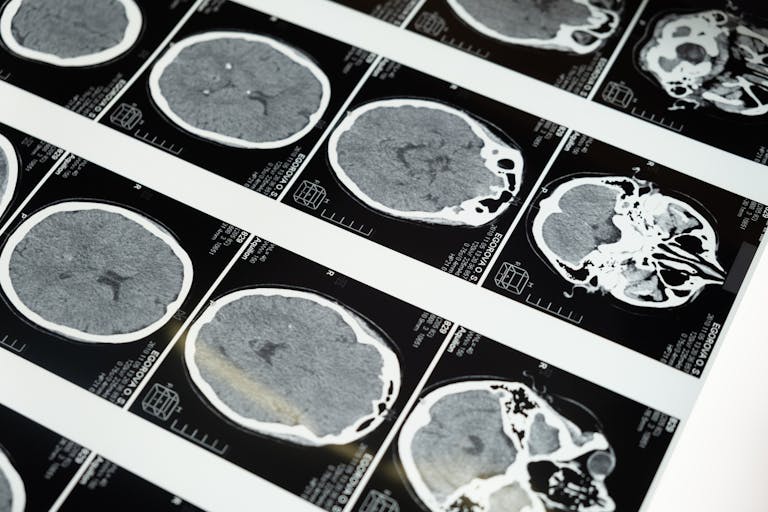

Sleep Problems and ADHD: A Common but Overlooked Link
Sleep difficulties are very common in people with Attention-Deficit/Hyperactivity Disorder (ADHD), in both children and adults. Trouble falling asleep, restless or fragmented sleep, delayed sleep–wake cycles, and daytime fatigue are frequently reported. In some cases, the sleep problem is even more impairing than the ADHD symptoms themselves.

ADHD is associated with differences in brain systems involved in attention and arousal regulation, and—in many individuals—circadian timing and sleep–wake regulation. Neurobiological research shows that ADHD involves altered regulation of alertness and self-regulation, not only difficulties with attention (Faraone et al., 2015). More recent work has also highlighted the role of circadian rhythm differences in ADHD, including a tendency toward delayed sleep–wake phase and later melatonin onset, particularly in adults (Bijlenga et al., 2019). These differences can make it harder to “switch off” at night, especially when the mind feels busy or alert late into the evening. Stimulant medication, anxiety, irregular routines, and screen use can also worsen sleep if not carefully managed.
Poor sleep, in turn, can significantly worsen attention, mood, irritability, memory, and emotional regulation — sometimes mimicking or amplifying ADHD symptoms. For this reason, sleep assessment is an essential part of good ADHD care.
Practical sleep strategies for people with ADHD
- Keep a consistent sleep and wake time, even on weekends
- Limit screens and bright light for at least an hour before bed
- Use a predictable wind-down routine (e.g. shower, reading, calming music)
- Avoid caffeine and nicotine in the afternoon and evening
- Take medication exactly as prescribed, and discuss timing if sleep is affected
- Get morning daylight exposure to help reset the body clock
In some cases, targeted treatment for sleep disorders (such as delayed sleep phase syndrome, insomnia, or restless legs) can markedly improve overall functioning and reduce ADHD-related difficulties.
If you are struggling with sleep, concentration, or mental health symptoms, consider seeking professional help through your GP or a registered mental health practitioner. A comprehensive medical and psychiatric assessment can help clarify contributing factors and guide treatment.