
When Nothing Feels Enjoyable Anymore: Understanding Anhedonia
Most of us can recognise what it feels like to enjoy something—whether it’s time with loved ones, music, food, or a sense of achievement. But for some people, that sense of enjoyment quietly fades. Things that once felt meaningful or pleasurable may start to feel flat, distant, or simply “not worth it.” This experience is called anhedonia.

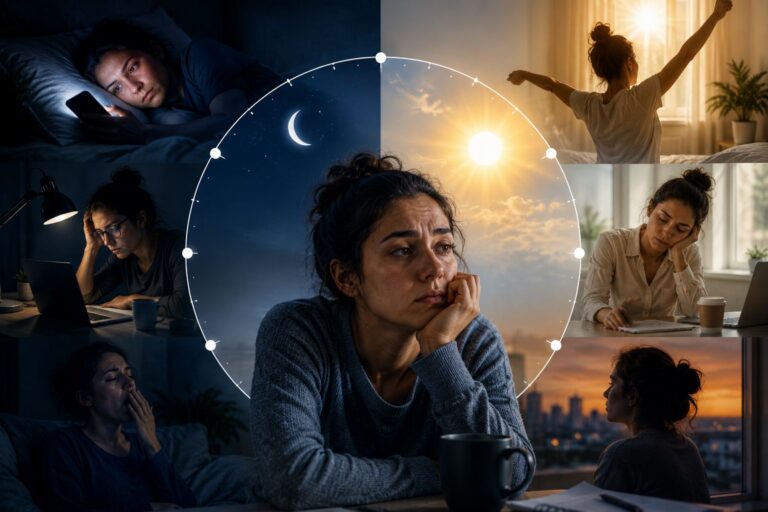
Anhedonia is not the same as sadness. Many patients describe it as feeling emotionally “numb,” disconnected, or unable to access pleasure—even when they want to. It can affect motivation, relationships, and daily functioning, often leading people to withdraw or feel confused about what’s happening to them.
This symptom is most commonly associated with depression, but it can also occur in other conditions, including:
- Burnout and chronic stress
- Substance use disorders
- Anxiety disorders
- Certain medical conditions (such as hormonal or neurological illnesses)
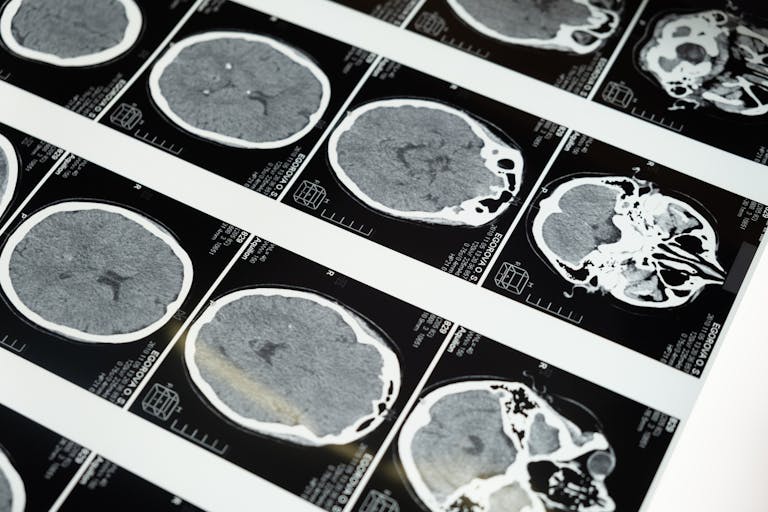
There are also biological factors involved. Changes in brain chemistry—particularly in systems related to reward and motivation—can make it harder for the brain to register pleasure in the usual way. This is not a personal failing or a lack of effort.
It’s important to know that anhedonia is treatable. Recovery often involves addressing the underlying cause, which may include:
- Psychological therapies such as behavioural activation
- Medication where appropriate
- Lifestyle adjustments that support sleep, energy, and routine
Improvement can be gradual. Often, people notice small shifts first—such as a slight return of interest or a reduced sense of effort in daily tasks.
If you’ve noticed that things no longer feel enjoyable, or that you’re feeling disconnected from your usual interests, it may be worth seeking a professional assessment. Early support can make a meaningful difference.